
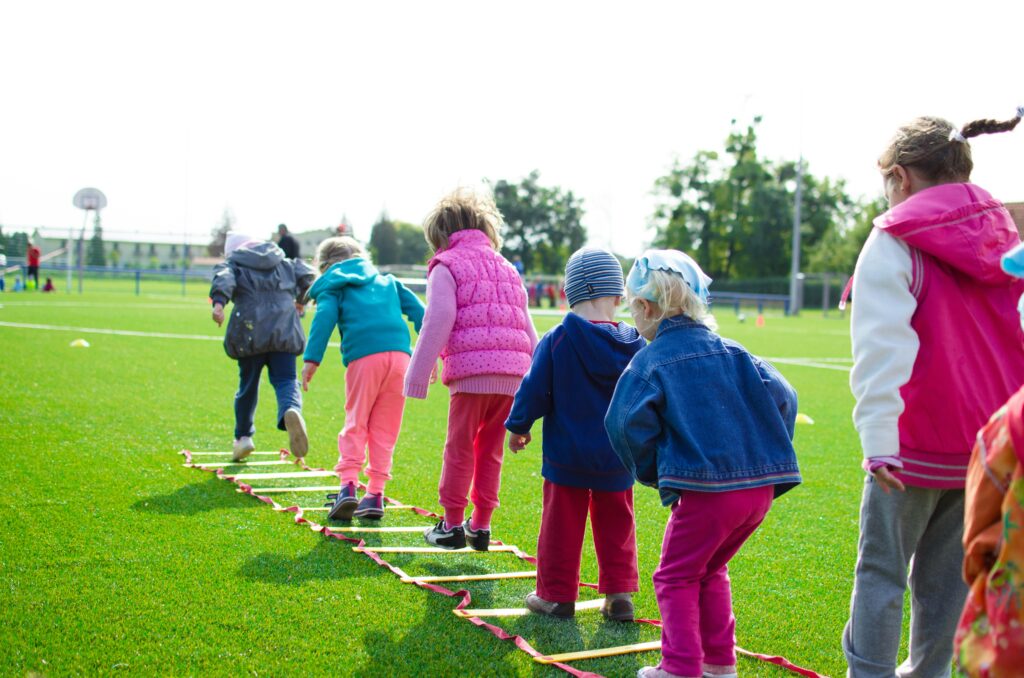
Children don’t just play for fun — play is an important part of growing up. When children play together, they learn teamwork, empathy, and emotional resilience. In today’s fast-paced, digital world, it’s easy to underestimate the value of friendships in a child’s mental health.
Why Friendships Matter for Children
- Friendships teach empathy and help kids understand emotions.
- Playing together builds confidence and reduces loneliness.
- Children with strong social bonds often cope better with stress.

The Link Between Friendships and Mental Health
Studies show that children who have supportive friends are less likely to struggle with anxiety and depression later in life. Friendships create a sense of belonging — something all humans need.
How Parents Can Encourage Healthy Friendships
- Arrange safe playdates or group activities.
- Encourage open conversations about feelings.
- Teach kindness and conflict resolution skills.
Friendships aren’t just a fun part of childhood—they’re a cornerstone of mental health. Children who feel connected, supported, and valued by their peers are more resilient, confident, and happy.
💬 How does your child’s friendships positively impact their mood or confidence? Share your experiences below!